Russian cruise missiles detected transiting Sumy Oblast toward Konotop-Pryluri sector
What happened
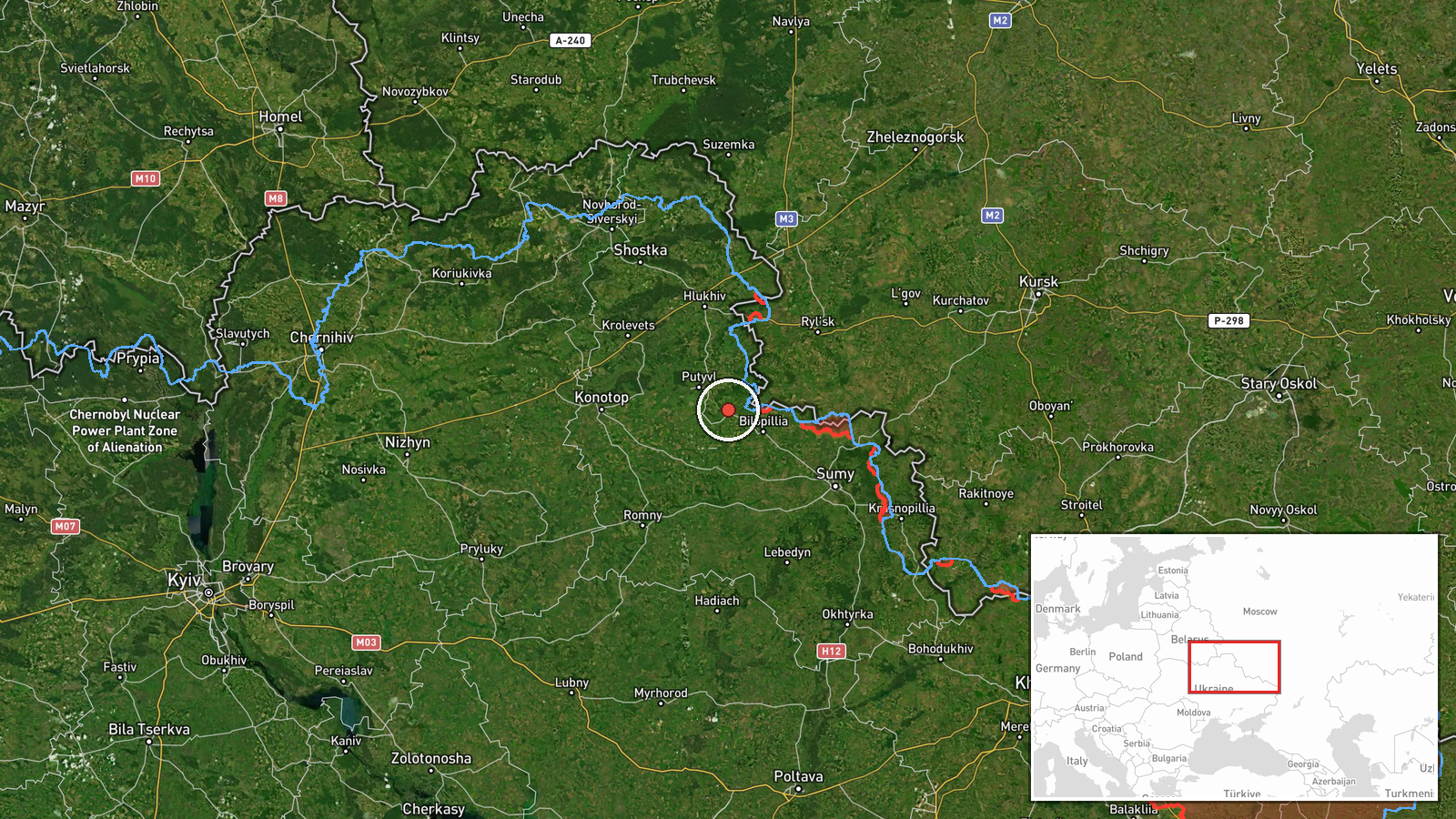
Ukrainian air-raid monitoring reported the detection of two groups of Russian cruise missiles entering Ukrainian airspace on 8 September at 01:03 UTC. The missiles were tracked passing through Shostka in Sumy Oblast with a reported vector toward the Konotop and Pryluki area, continuing the pattern of Russian strategic strikes. The report was issued via Telegram by @war_monitor and describes the passage as part of an ongoing wave of cruise missile operations.
Context and assessment
Sumy Oblast, in northeastern Ukraine bordering Russia, has been subject to sustained Russian air attack throughout the conflict. Konotop and Pryluki are significant logistical and transport hubs; Konotop hosts major railway infrastructure, while Pryluki is home to a large air base. The detection of cruise missiles in this corridor on 8 September follows a reported Russian drone strike from Kursk Oblast into the same oblast hours earlier, suggesting a coordinated multi-wave air operation. Such patterns typically indicate Russia is targeting infrastructure or military installations in the region, though the specific intended targets are not identified in the monitoring report.
Sources and confidence
Single source: Telegram channel @war_monitor. The report represents real-time Ukrainian air-raid monitoring, which typically detects missile transits via radar and acoustic means. Confidence of 6.0 reflects the single-source nature and lack of corroborating reports. Confirmation by independent sources or official Ukrainian military statements would increase confidence; photographic or debris evidence would also strengthen assessment.
Location
Detection occurred in transit over Shostka, a settlement in Sumy Oblast, with reported trajectory toward Konotop and Pryluki, both settlements approximately 60–80 km to the southeast. The area is in northeastern Ukraine's border region with Russia (Kursk and Belgorod Oblasts). Precision is settlement-level based on named geographic references in the report.
Related events nearby
- Ukrainian air-raid monitoring reports Russian jet-powered (reaktivnyi) Shahed drones detected transiting from 2026-09-07 21:29 UTC · Drone Transit · En route: Kursk Oblast → Sumy Oblast, Ukraine
- Ukrainian air-raid monitoring detected 4 groups of Russian cruise missiles transiting the Sumy-Chernihiv borde2026-09-08 01:35 UTC · Cruise Missile · Sumy-Chernihiv Border Region, Ukraine
▶ View this event on the live map
Intel Mapper aggregates open-source reports from monitored Telegram and X channels, geolocates them, cross-checks duplicates across sources and assigns a confidence score. Entries are updated as new confirmations arrive. Read how we verify events.