Poland raises defensive alert along eastern border amid intensifying Russian military activity
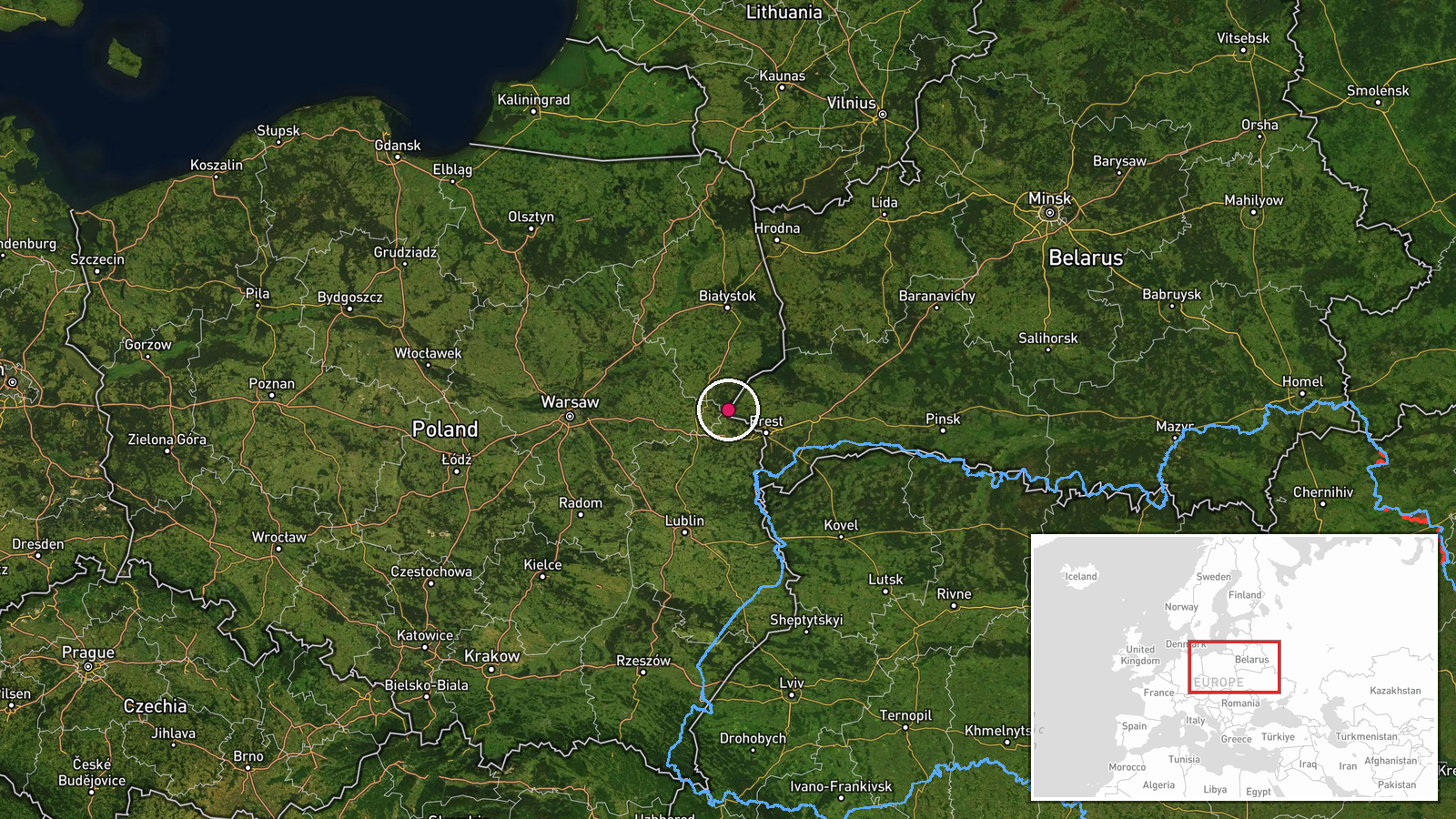
What happened
Polish military forces have been deployed along the eastern border with enhanced protective equipment and evacuation procedures in response to escalating Russian military operations near Polish territory, according to a report on 13 September. Troops are conducting defensive drills and preparing shelters as precautionary measures against potential escalation of cross-border incidents.
Context and assessment
The deployment follows a pattern of Russian strikes striking closer to Polish territory on 13 September, including ballistic and drone attacks on Ukrainian civilian infrastructure near the border, one involving a train carrying visiting British and European officials. Polish leadership has publicly warned of intensified Russian military activity in coming weeks, with Foreign Minister Sikorski stating that escalation affecting Polish soil cannot be ruled out. These statements suggest NATO and Polish military planners are reassessing the threshold for potential Polish-Russian confrontation. The deployment itself represents a precautionary posture rather than evidence of imminent cross-border action, though it reflects genuine concern about operational risks.
Sources and confidence
Reported by X account @WarMonitor3 on 13 September; single-source reporting with low geographic precision. Confidence score of 6.0 reflects corroboration from simultaneous Polish government statements warning of escalation risk, though the specific deployment details lack independent confirmation. Cross-confirmation from NATO or Polish Defence Ministry would strengthen confidence. Direct visual evidence or multiple independent channels would raise the score substantially.
Location
Eastern Poland near the Belarus-Russia border region, approximately 52.3°N, 23.2°E. The coordinates place the alert in the Podlaskie Voivodeship, the most exposed Polish administrative region to Russian and Belarusian territory. This area has seen repeated Russian drone and missile strikes on nearby Ukrainian infrastructure throughout 2026.
Related events nearby
- Russia struck the locomotive of a passenger train in Volyn region near the Polish border. No injuries reported2026-09-13 09:18 UTC · Ballistic Missile · Volyn Region, Ukraine, 2 km from Polish border
- Polish Foreign Minister Sikorski states Poland would defeat Russia quickly if attacked, asserting NATO superio2026-09-13 19:15 UTC · Statement · Warsaw, Poland
- Polish PM Tusk warns of intensified Russian military activity in coming weeks/months, cannot rule out escalati2026-09-13 16:01 UTC · Statement · Warsaw, Poland
- Polish FM Sikorski states Putin's goal to restore USSR superpower status and create 'Yalta II' world order is 2026-09-13 15:55 UTC · Statement · Warsaw, Poland
- Polish FM Sikorski states that the Council of Baltic Sea States has greater combined GDP and peacetime defense2026-09-13 15:49 UTC · Statement · Warsaw, Poland
▶ View this event on the live map
Intel Mapper aggregates open-source reports from monitored Telegram and X channels, geolocates them, cross-checks duplicates across sources and assigns a confidence score. Entries are updated as new confirmations arrive. Read how we verify events.