Russia strikes locomotive of passenger train near Polish border in Volyn
What happened
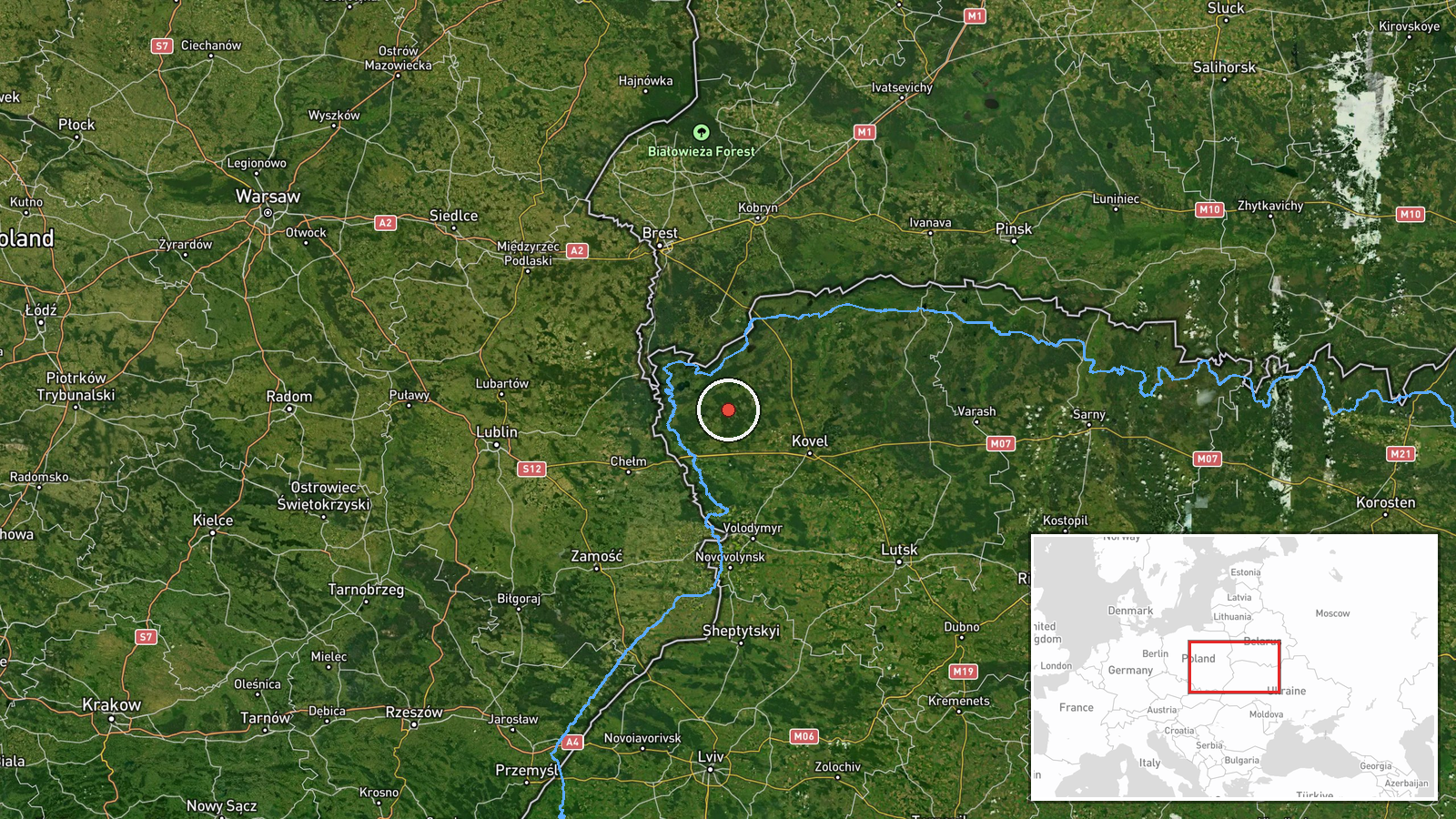
Russian ballistic missiles struck the locomotive of a passenger train in Volyn region, approximately 2 kilometers from the Polish border, according to Ukrainian Railways. A monitoring group provided advance warning to the train crew, enabling precautionary measures. No injuries were reported following the strike. The attack targeted rail infrastructure in Ukraine's westernmost region, close to the international boundary.
Context and assessment
The strike on the Volyn train locomotive is consistent with an intensifying Russian campaign against Ukrainian rail networks in the western borderlands. On September 12, Russian Shahed-type drones were detected transiting toward Lutsk and Kovél in the same oblast, with documented strikes on railway infrastructure in Lutsk that ignited train wagons. The pattern suggests Russia is attempting to disrupt transport corridors and military logistics in the rear areas near Poland, where rail links remain critical for supply lines and civilian evacuation. The advance warning system's effectiveness in this case indicates Ukrainian air defense and monitoring capabilities are functioning, though the strike still occurred.
Sources and confidence
Reported by Telegram channel @ClashReport, the sole source for this incident. Single-source reporting and high location confidence based on Ukrainian Railways data. The confidence score of 7.0 reflects the credible institutional source but limited cross-confirmation. Score would increase with independent verification from Ukrainian authorities or NATO border monitoring sources; it would lower if details cannot be corroborated by additional channels.
Location
Volyn region in western Ukraine, approximately 2 kilometers south of the Polish border near the Belarus-Poland-Ukraine tripoint. The region is characterized by open agricultural land and rail corridors serving as primary transport routes toward Poland and the broader European network. Lutsk, the regional capital struck repeatedly on September 12-13, lies roughly 80 kilometers southeast.
Related events nearby
- Russian drone struck stationary Ukrainian passenger train (locomotive) near Polish border. Boris Johnson was a2026-09-13 15:09 UTC · UAS Strike · Near Yahodyn border crossing, Volyn Oblast, Ukrain
- Russian forces struck a passenger train locomotive near the Polish border with a drone or missile. The same ro2026-09-13 09:43 UTC · UAS Strike · Near Yahodyn border crossing, Volyn Oblast, Ukrain
- Russian Geran-2 (Shahed-136) reactive drones struck the city of Lutsk in western Ukraine. Air defense status a2026-09-13 04:23 UTC · UAS Strike · Lutsk, Volyn Oblast, Ukraine
- Polish military increases defensive posture along eastern border due to escalating Russian military activity n2026-09-13 18:00 UTC · Deployment · Eastern Poland, near Belarus-Russia Border
▶ View this event on the live map
Intel Mapper aggregates open-source reports from monitored Telegram and X channels, geolocates them, cross-checks duplicates across sources and assigns a confidence score. Entries are updated as new confirmations arrive. Read how we verify events.