Ukrainian Air-Raid Alert: Russian Iskander or S-400 Missile Threat from Kursk
What happened
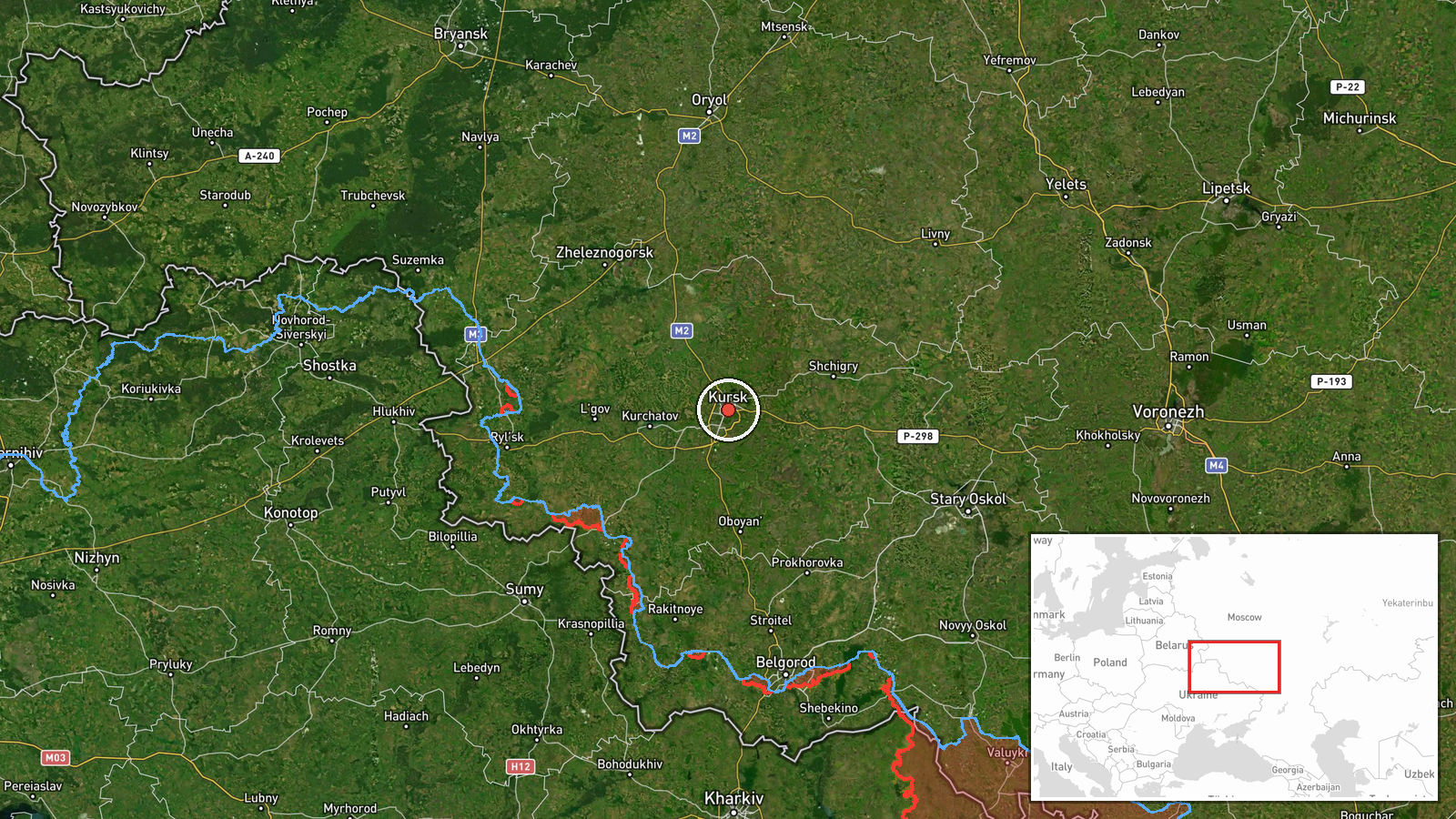
Ukrainian air-raid monitoring systems issued a civilian alert on 7 September at 21:24 UTC warning of a probable launch of Russian Iskander or S-400 ballistic missiles, or alternatively active Russian S-300 air defense fire from Kursk Oblast. The alert directed civilians to seek shelter and avoid open areas. The report originated from the Telegram channel @war_monitor and did not specify targets or confirm strikes.
Context and assessment
Kursk Oblast, located approximately 100 kilometres north of the Ukrainian border, has served as a staging area for Russian air operations throughout the conflict. The alert coincided with ongoing Russian drone operations: Ukrainian air defenses intercepted 71 of 92 Shahed drones overnight on 6–7 September, and Russian jet-powered Shahed variants were detected transiting from Kursk toward Sumy Oblast hours after this alert. The timing suggests coordinated strikes or air activity, though Iskander and S-400 systems typically target military infrastructure or logistics hubs. The alert may indicate elevated Russian air-strike operations or reflect persistent Ukrainian concern about Russian ballistic capabilities concentrated in the region.
Sources and confidence
Alert sourced to single Telegram channel @war_monitor; no secondary confirmation reported. Confidence score of 6.0 reflects single-source reporting and lack of independent corroboration. Confidence would increase with cross-confirmation from Ukrainian official military channels or multiple independent monitors; it would lower if no subsequent strikes or activity occurred.
Location
Kursk Oblast, western Russia, approximately 100 km north of the Ukrainian border and roughly 40 km from the Sumy Oblast frontier. Kursk is a major logistics and airfield hub for Russian operations; geographic precision set to region-level due to alert nature rather than pinpoint targeting data.
Related events nearby
- Ukrainian air-raid monitoring reports Russian jet-powered Shahed-136 drones (reaktivy) detected in transit fro2026-09-08 00:31 UTC · Drone Transit · Kursk Oblast, Russia (launch/transit origin)
- Ukrainian air-raid monitoring reports Russian jet-powered (reaktivnyi) Shahed drones detected transiting from 2026-09-07 21:29 UTC · Drone Transit · En route: Kursk Oblast → Sumy Oblast, Ukraine
▶ View this event on the live map
Intel Mapper aggregates open-source reports from monitored Telegram and X channels, geolocates them, cross-checks duplicates across sources and assigns a confidence score. Entries are updated as new confirmations arrive. Read how we verify events.