Ukrainian monitors report Russian Shahed drones heading toward Kyiv and Kharkiv oblasts
What happened
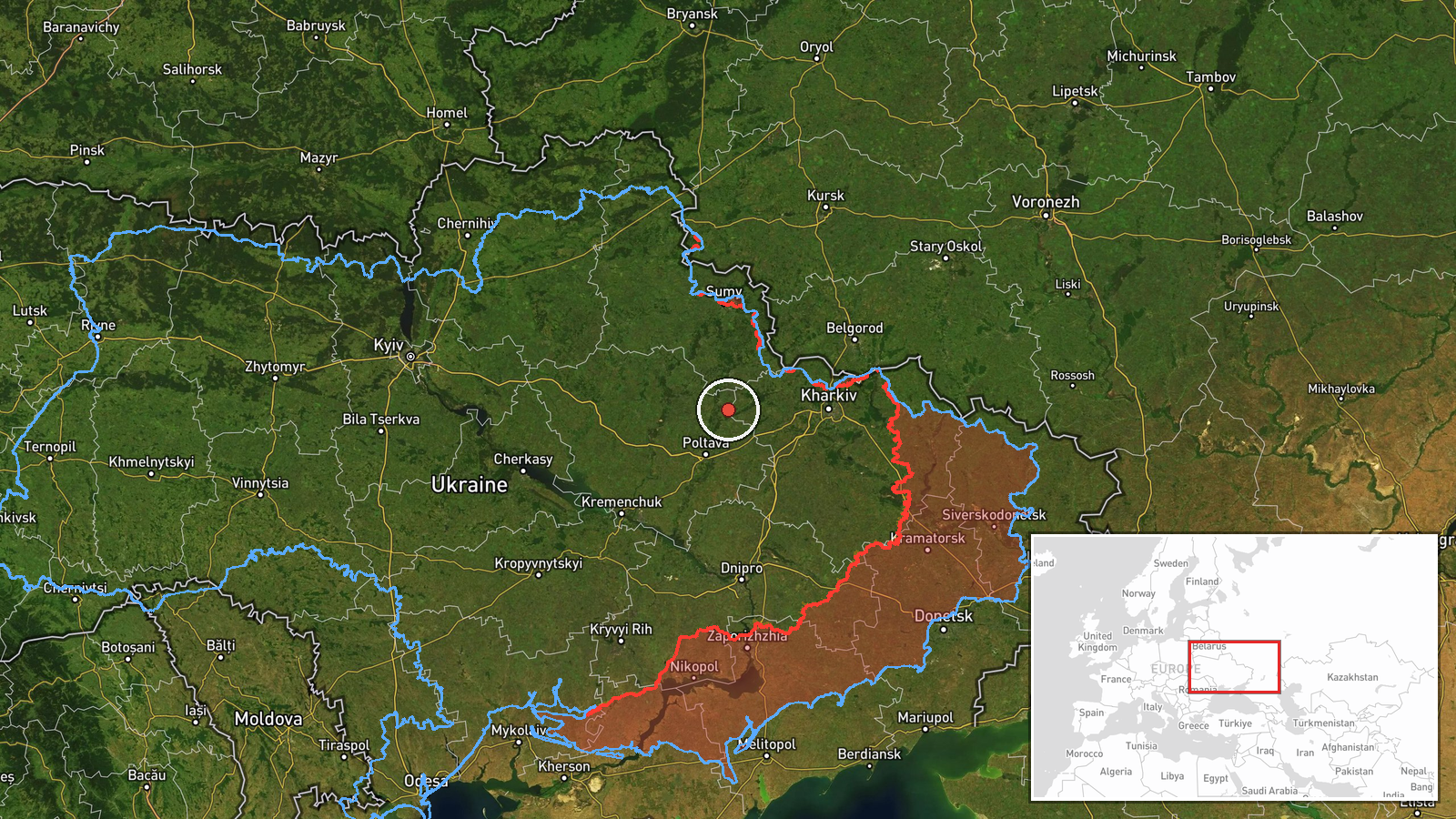
Ukrainian air-raid monitoring systems reported a threat of Russian jet-powered Shahed drones transiting toward Kyiv Oblast and Kharkiv Oblast on the night of September 7, 2026, at approximately 21:03 UTC. The report, issued via Telegram channel @war_monitor, characterized the threat as part of an ongoing overnight drone campaign. No specific interception or strike information was provided in the initial alert.
Context and assessment
The reported drone transit follows an intensive overnight Russian drone assault earlier on September 7, when Ukrainian air defenses intercepted 71 of approximately 92 Shahed-type drones launched across eastern Ukraine. The continued threat to Kyiv and Kharkiv oblasts reflects Russia's sustained strategy of targeting Ukraine's two largest metropolitan regions and key administrative centers with loitering munitions. Similar reports of Shahed transits from Kursk Oblast toward Sumy Oblast on the same evening suggest a coordinated multi-vector campaign, consistent with the pattern of near-nightly drone strikes that have characterized the conflict since late 2022.
Sources and confidence
Single source: Telegram channel @war_monitor, a Ukrainian air-raid monitoring account. No cross-confirmation from other channels or official Ukrainian military sources provided in available data. Confidence score of 6.0 reflects the single-source reporting and lack of independent verification. Confirmation via additional monitoring channels or official statements would increase confidence; absence of follow-up interception reports would lower it.
Location
Regional alert covering Kyiv Oblast and Kharkiv Oblast in northern and northeastern Ukraine. Kyiv Oblast surrounds the capital; Kharkiv Oblast lies along the Russian border. Precision is intentionally broad as the alert announces a transit threat rather than pinpointing a specific target or impact site. Initial detection likely occurred over Russian territory or occupied eastern Ukraine.
Related events nearby
- Ukrainian air-raid monitoring detected 1 group of Russian cruise missiles transiting from Konotop toward Pryat2026-09-08 01:47 UTC · Cruise Missile · Pryatin, Poltava Oblast, Ukraine
- Ukrainian air-raid monitoring reports Russian jet-powered (reaktivnyi) Shahed drones detected transiting from 2026-09-07 21:29 UTC · Drone Transit · En route: Kursk Oblast → Sumy Oblast, Ukraine
▶ View this event on the live map
Intel Mapper aggregates open-source reports from monitored Telegram and X channels, geolocates them, cross-checks duplicates across sources and assigns a confidence score. Entries are updated as new confirmations arrive. Read how we verify events.