Russia strikes Kyiv with cruise missiles, ballistic missiles, and 100+ drones
What happened
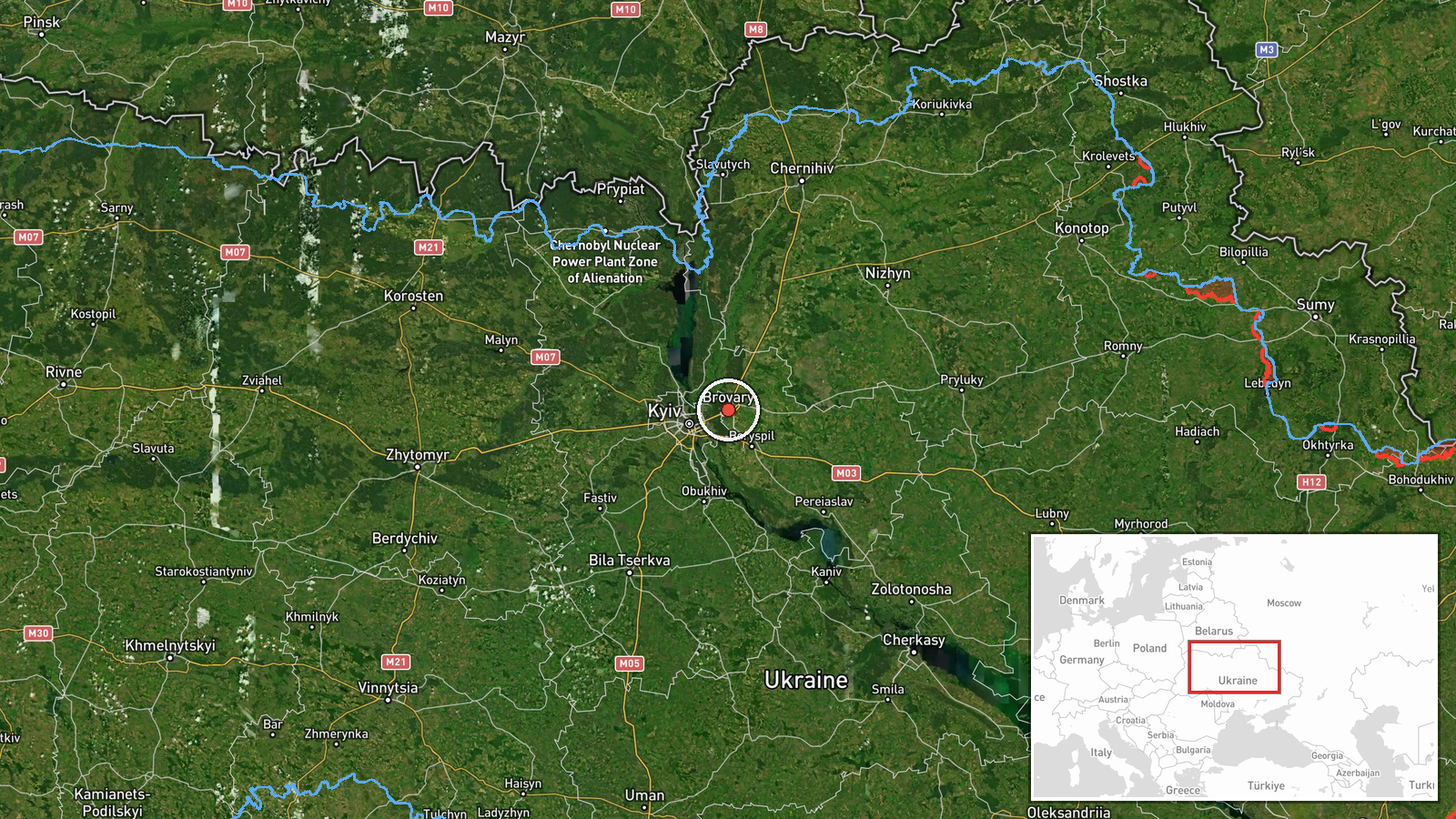
Russian forces reportedly conducted a massed overnight strike on Kyiv and its suburbs on 29–30 September 2026, according to the monitoring channel @war_monitor. The attack comprised approximately 10 Zircon/Onyx cruise missiles, 6 Iskander-M ballistic missiles, and over 100 Shahed-136 drones of both jet-powered and piston-engine variants. Ukrainian sources indicated the strikes were concentrated on energy infrastructure across the capital and surrounding areas.
Context and assessment
This strike represents a continuation of intensive Russian aerial operations against Kyiv's critical infrastructure. Related events document drone attacks and transits over the city on 28–29 September, suggesting a sustained campaign. Energy infrastructure remains a persistent Russian target, as repeated strikes aim to degrade Ukraine's power generation and distribution capacity ahead of winter. The combination of cruise missiles, ballistic missiles, and large drone swarms reflects Russia's multi-vector approach to overwhelming Ukrainian air defenses. The scale and timing indicate an attempt to inflict cumulative damage on civilian and military energy systems supporting the capital.
Sources and confidence
Reported solely by Telegram channel @war_monitor on 30 September 2026. No cross-confirmation from Ukrainian official sources, international monitors, or independent outlets noted in available data. The confidence score of 6.0 reflects single-source reporting; confirmation from official Ukrainian military or civilian authorities, or from multiple independent monitors, would strengthen confidence. Verification of specific missile counts and damage assessment would raise confidence further.
Location
Kyiv city proper and surrounding suburbs in central Ukraine. The settlement-level precision indicates the strike zone encompassed the capital metropolitan area. Related drone transits documented over specific neighborhoods including Pushcha-Vodytsia, Osokorky, and Zvirynets suggest distributed targeting across the city's geography rather than a single focal point.
Related events nearby
- Russian reactive drones (Shahed-136 variants) detected transiting multiple sectors of Kyiv Oblast: 1 near Chai2026-09-30 00:02 UTC · Drone Transit · Kyiv Oblast, Ukraine
- Russian Shahed-136 reactive (jet-engine) kamikaze drone detected transiting toward Osokory, Kyiv at 3.5 km alt2026-09-30 11:14 UTC · Drone Transit · Osokory, Kyiv, Ukraine
- Air raid alert in Kyiv. Sirens activated in Pechersk and Troyeshchyna districts as Russian attack ongoing.2026-09-30 10:20 UTC · Siren · Pechersk District, Kyiv, Ukraine
- Ukrainian air monitoring reports Russian drone transits over Kyiv: 1 drone at Osokorky (1km), 1 drone at Zviry2026-09-29 18:17 UTC · Drone Transit · Livoberezhny Massif, Kyiv, Ukraine
- Ukrainian military leadership briefs on Operation Vivaldi: 4-season counteroffensive has disrupted Russian bre2026-09-30 16:42 UTC · Statement ·
▶ View this event on the live map
Intel Mapper aggregates open-source reports from monitored Telegram and X channels, geolocates them, cross-checks duplicates across sources and assigns a confidence score. Entries are updated as new confirmations arrive. Read how we verify events.