Russian strategic bombers on alert in Bryansk as long-range strike capability readied
What happened
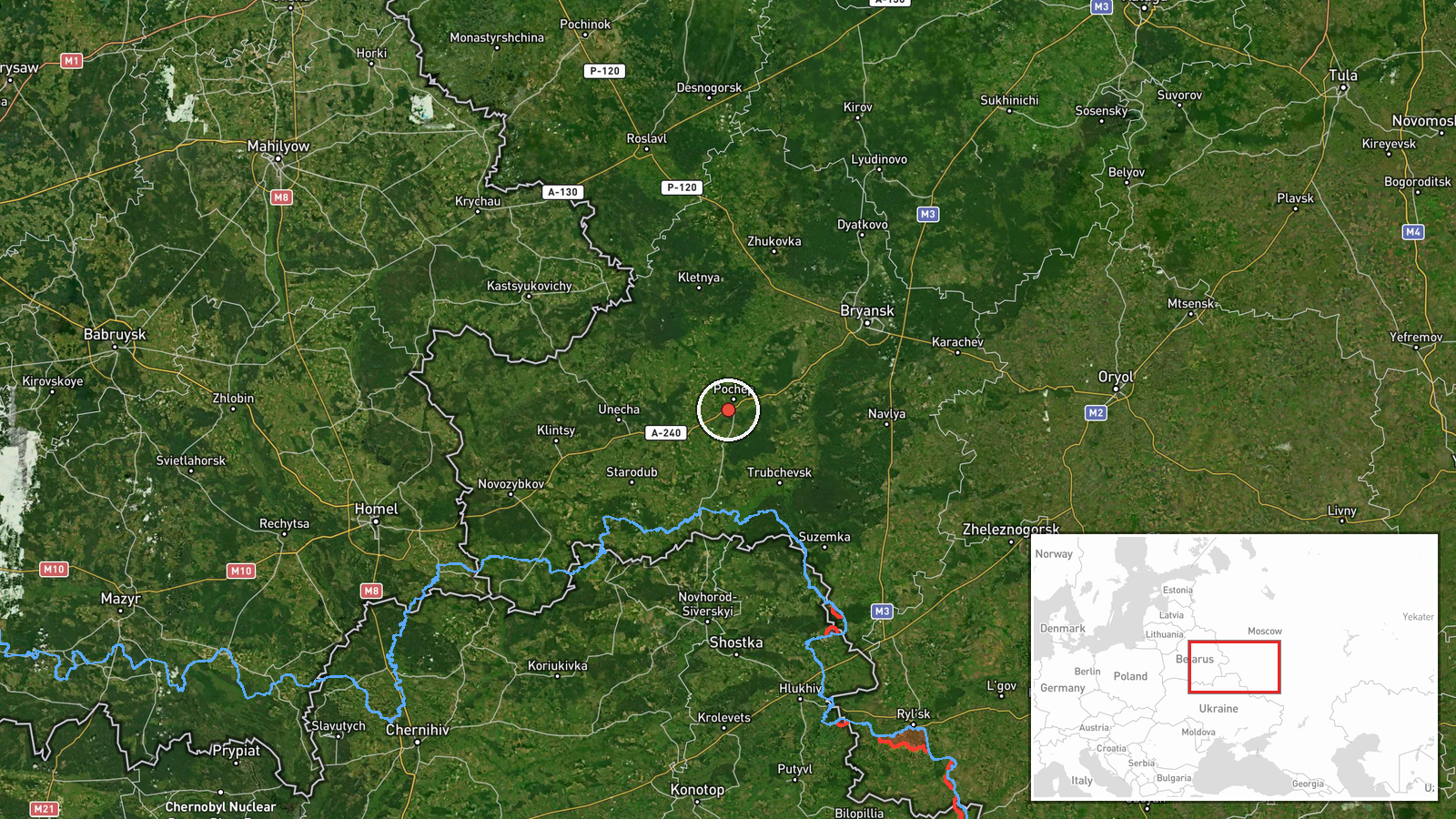
A Telegram channel monitoring Russian military activity reported at least two Tupolev Tu-160 strategic bombers airborne from Bryansk Oblast on the evening of September 7, 2026. The source indicated additional sorties by strategic aviation assets were possible during the night. The report framed the activity as an indicator of operational readiness among Russia's long-range strike force, though no specific targets or subsequent strikes were mentioned in the alert.
Context and assessment
Bryansk Oblast, located in western Russia near the Ukrainian border, hosts major Russian air bases and has served as a primary staging area for Russian aviation operations throughout the conflict. Tu-160 bombers are Russia's most modern strategic airframes, capable of delivering cruise missiles at extended range. The alert follows earlier Telegram reports the same day of Russian military command post communications in the same region and a Russian military warning of heightened ballistic missile activity. This sequence suggests a broader operational tempo increase, possibly coordinating multiple strike asset types, though the pattern alone does not confirm imminent action against specific targets.
Sources and confidence
Reported by Telegram channel @war_monitor on September 7 at 21:03 UTC. Single-source reporting with confidence score of 6.0 out of 10. No cross-confirmation from other open-source monitors documented. Confidence would increase with corroborating reports from additional independent monitors or satellite imagery. Score reflects typical limitations of real-time Telegram-based military monitoring.
Location
Bryansk Oblast, western Russia, approximately 380 kilometers from the Ukrainian border. The region's coordinates (52.89°N, 33.42°E) indicate the oblast generally rather than a specific airfield. Bryansk is home to multiple Russian military aviation facilities including strategic bomber bases, making it a consistent hub for long-range strike operations throughout the conflict.
Related events nearby
- Russian strategic aviation command posts detected communicating. Indicates operational readiness or coordinati2026-09-07 20:38 UTC · Deployment · Bryansk Oblast, Russia
▶ View this event on the live map
Intel Mapper aggregates open-source reports from monitored Telegram and X channels, geolocates them, cross-checks duplicates across sources and assigns a confidence score. Entries are updated as new confirmations arrive. Read how we verify events.