Austria blocks Iranian nuclear chief from IAEA conference under US pressure
What happened
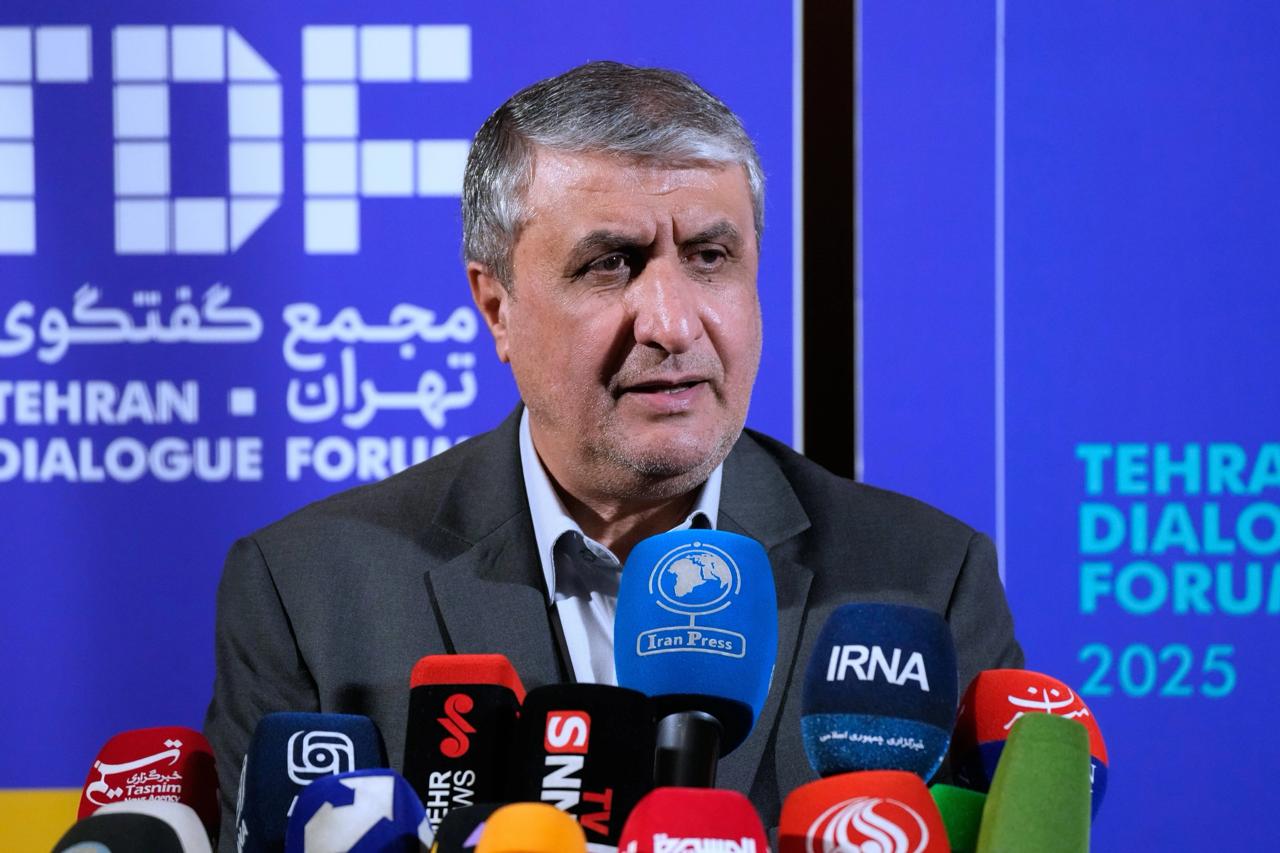
Austria denied entry to Mohammad Eslami, Iran's nuclear chief, preventing him from delivering a scheduled address at the International Atomic Energy Agency's annual conference in Vienna on September 14. Eslami had requested a sanctions waiver to attend, which Austrian authorities rejected following US pressure. A lower-level Iranian representative may be permitted to speak later in the conference week, according to reporting.
Context and assessment
Vienna hosts the IAEA's principal annual gathering, where member states discuss nuclear safeguards, non-proliferation policy, and technical cooperation. Iran's presence at such forums is politically sensitive given US sanctions and ongoing tensions over Iran's nuclear programme. The blocking of a senior Iranian official signals coordination between Austria and the United States on enforcement of sanctions restrictions, potentially complicating Iran's diplomatic engagement on nuclear matters. This incident reflects broader friction over Iran's nuclear activities and may indicate heightened US influence over host-country protocols at international venues.
Sources and confidence
Single Telegram channel (ClashReport) reported the event. No cross-confirmation from mainstream media or official Austrian or Iranian statements noted. Confidence score of 7.0 reflects plausible reporting consistent with known US-Iran tensions and sanctions enforcement, but limited source diversity. Confirmation from Austrian government, IAEA, or Iranian official statements would strengthen confidence.
Location
Vienna, Austria, the capital city and seat of the IAEA headquarters. The event concerns entry restrictions at the agency's annual conference venue in central Europe. Vienna's location on the Danube River in northeastern Austria places it in a NATO-aligned country subject to US diplomatic and sanctions leverage.
▶ View this event on the live map
Intel Mapper aggregates open-source reports from monitored Telegram and X channels, geolocates them, cross-checks duplicates across sources and assigns a confidence score. Entries are updated as new confirmations arrive. Read how we verify events.