Syrian atomic authority removes industrial chlorine cylinders from school in Deir ez-Zor
What happened
The Syrian Atomic Energy Commission reported the removal of three industrial chlorine gas cylinders (Cl₂-LPG) from a school building in Al-Shaafarah, Deir ez-Zor Governorate on September 14. According to the announcement, specialized teams secured the site and transported the cylinders for safe disposal. No details were provided about how long the cylinders had been stored at the school or the circumstances of their discovery.
Context and assessment
Deir ez-Zor Governorate remains a contested and fragmented region of Syria where multiple armed actors operate, creating ongoing humanitarian and environmental risks. The storage of industrial chemicals in civilian facilities such as schools presents significant public health dangers, particularly given the area's volatile security situation and limited state capacity. The removal operation follows a reported protest in Deir ez-Zor city on the same day, though the connection between the two events remains unclear. Such chemical remediation efforts may indicate efforts to restore state control over civilian infrastructure or respond to accumulated hazards from years of conflict.
Sources and confidence
The announcement came solely through the Telegram channel @AJSyriaNow, attributed to the Syrian Atomic Energy Commission. No independent verification from other sources or international bodies was available at the time of reporting. The moderate confidence score reflects single-source reporting, though the statement's technical specificity and official attribution provide some credibility. Confirmation from humanitarian organizations or satellite imagery would strengthen confidence.
Location
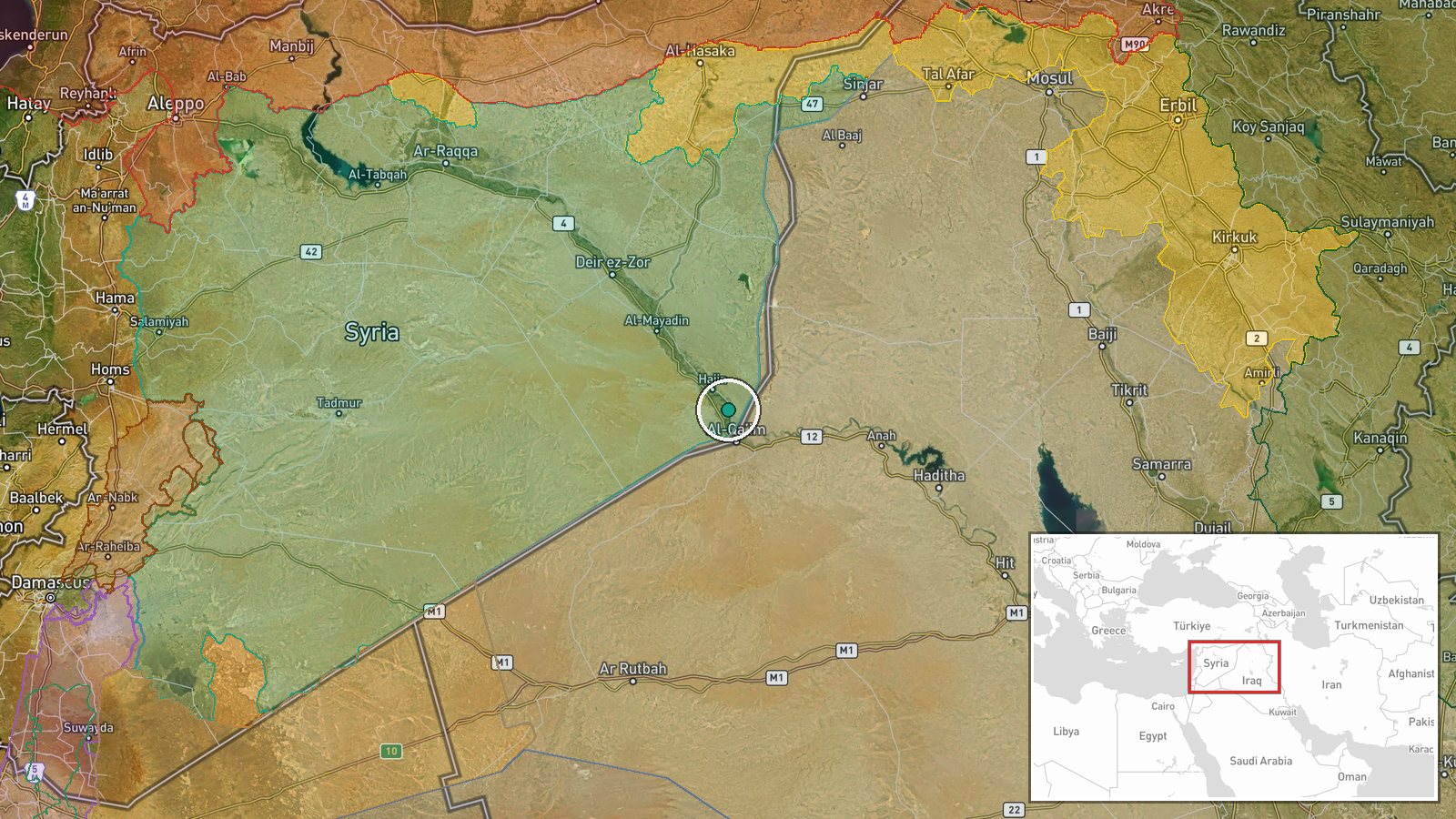
Al-Shaafarah is a settlement in the countryside of Deir ez-Zor Governorate in eastern Syria, located approximately 35 kilometers northwest of Deir ez-Zor city. The coordinates place the school within the Euphrates River valley region. The area has experienced significant displacement and damage during Syria's conflict.
Related events nearby
- Protest footage emerges from Deir ez-Zor city. Nature and participants of the protest are not detailed in the 2026-09-14 14:06 UTC · Statement · Deir ez-Zor, Deir ez-Zor Governorate, Syria
▶ View this event on the live map
Intel Mapper aggregates open-source reports from monitored Telegram and X channels, geolocates them, cross-checks duplicates across sources and assigns a confidence score. Entries are updated as new confirmations arrive. Read how we verify events.